Composite decking in Teesside
Capped co-extruded boards on a taped, ventilated treated frame will outlast the frame under them, which is why the frame gets specified in writing.
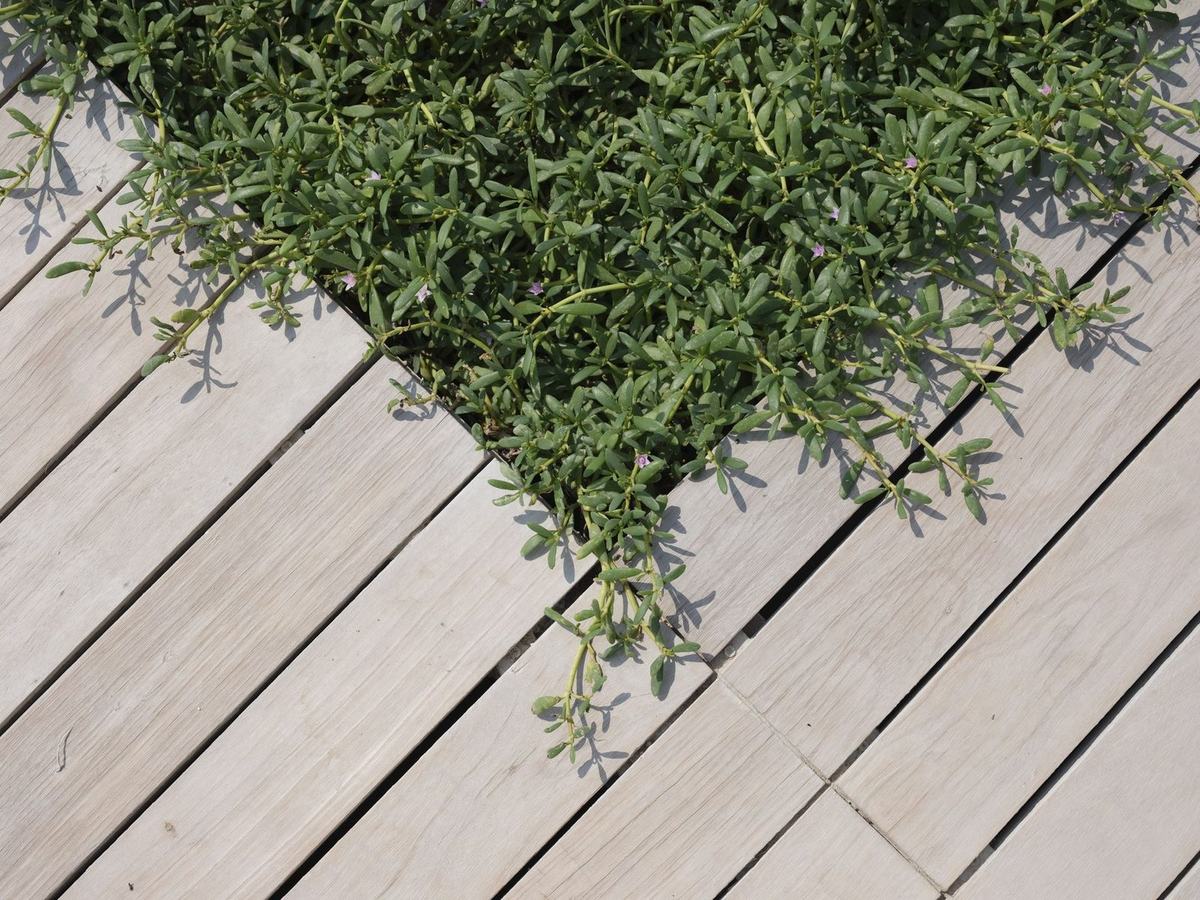
What you are actually buying
Composite boards are wood flour and recycled polymer, and the only distinction that matters is whether they are capped. A capped co-extruded board carries a polymer skin on the face and edges, which is what resists barbecue grease, red wine, mud and colour drift. Uncapped boards are cheaper, scratch pale, and stain where the rain sits.
Composite needs a stiffer frame, not a cheaper one
Composite is heavier and less forgiving than softwood, so joists go in at 400mm centres, dropping to 300mm where boards run diagonally or a picture-frame border is used. It also expands and contracts along its length more than timber does, so end gaps and hidden clip spacing follow the manufacturer's figures rather than a fitter's habit. Get that wrong and boards buckle in the first hot spell or leave visible gaps by February. Ask for centres, clip type and expansion gaps to be written on the quote.
Low maintenance, honestly stated
No oiling, no staining, no annual sanding. What composite does still need is washing: twice a year with a stiff brush and deck cleaner. In a north-facing Teesside garden with a high fence and next to no direct sun, expect a green film to establish between cleans, and expect a grooved or brushed surface with good drainage below to matter more than the colour swatch. Anyone claiming composite never gets slippery has not maintained one through a Teesside winter.
Colour, edges and the details that date a deck
Greys and charcoals still dominate, and mid browns hide pollen and dust better on gardens near the A19 and A66 corridors. The parts people forget are the edges: matching fascia to hide the frame, a stair nosing that grips, and a clean threshold detail where the deck meets patio doors. Those details are the difference between a deck that looks built and one that looks laid.
Where it goes next
For a 25-year cost comparison against softwood and hardwood, read composite versus timber. If the garden slopes, sloped garden design covers terracing and drainage, and raised decking covers the structural side. Gardens across Ingleby Barwick and Yarm account for a large share of composite work on the patch.